
TL;DR / Quick Answer: The correct dose of herbal medicine depends on the herb, the preparation, and the person - but an ancient method called simpling uses drop doses (1-35+ drops per dose) of a single herb. It has been practised for centuries, taught by respected herbalists including Dorothy Hall and Matthew Wood, and is particularly valuable for conserving endangered medicinal herbs. Less is often more - and your relationship with the plant matters as much as the volume.
Most people assume herbal medicine is complicated. It isn't. The oldest approach is also the simplest - and it works.
How Do Herbalists Decide on a Dose of Herbal Medicine?
If you have ever stood in front of a bottle of herbal tincture wondering how much to take, you are not alone. It is one of the most common questions I hear from herb growers and home herbalists. The answer depends on who trained your herbalist - because there are two quite different schools of thought.
The Pharmacopeia Approach: Precise and Measured
The British Herbal Pharmacopeia sets out official dosages with precision - the type of preparation, the concentration, and the volume in millilitres. It is a respected reference text used by many trained herbalists, and for good reason. It brings rigour and consistency to practice.
The Simpling Approach: Ancient, Elegant, and Effective
Then there is simpling. This is the older tradition - folk herbalism going back many centuries. A simpling prescription is typically a single herb, given in drops. A specific number of drops, a specific number of times per day. No fiddly measuring vials. No squinting at gradations on the side of a container. Just drops.
A useful rule of thumb: 15 drops equals approximately 1 ml.
The drop dosing range runs from 1 drop to 35 or more drops per dose, depending on the herb and the situation. It sounds almost too simple. That is exactly the point.
Who Taught Drop Dosing? The Herbalists Behind This Tradition
This is not fringe thinking. Some of the most respected herbalists of the past century have built their entire practice around drop dosing and simpling.
Dorothy Hall - Australia's Legendary Herbalist
Dorothy Hall trained a significant number of the herbalists who are still practising in Australia today. She taught dosage by drops and emphasised the skill of recognising when a single herb would do the job. Her influence on Australian herbalism is hard to overstate.
Kim Dudley and Tim Thomas - Teaching in Canberra
Kim Dudley (who trained under Dorothy Hall) and his business partner, homeopath Tim Thomas, held classes in Canberra teaching people a deeper relationship with herbs and the practice of drop dosing with single herbs. Both Kim and Dorothy have since passed, but their teaching lives on in the practitioners they shaped.
Matthew Wood - North America's Leading Voice on Simpling
Matthew Wood, author and well-known North American herbalist, bases his entire approach on drop dosing and the appropriate use of single herbs. His books are worth reading if this tradition interests you.
Why Does Drop Dosing Matter for Endangered Herbs?
Here is something that does not get talked about enough. When you use smaller volumes of a herb - as drop dosing requires - you conserve precious medicine. For endangered medicinal herbs, this is not a minor point. It is significant.
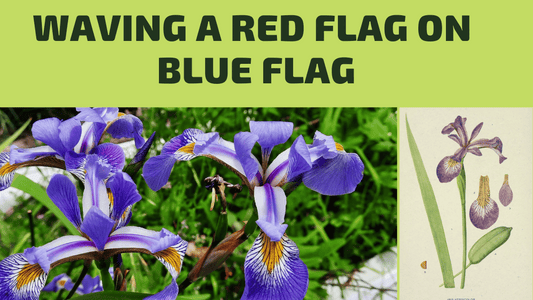
If you are growing or sourcing rare herbs like Goldenseal, Osha, or Blue Flag, every drop matters. The simpling tradition is not just elegant - it is responsible. You can read more about what you can do to protect endangered herbs and why conservation starts in your own practice.
What Happens to Your Dosing as Your Knowledge Grows?
This is the part that surprises people most. In my own experience, as your knowledge of a plant deepens - not just book knowledge, but real, lived knowledge - the dose you need to be effective actually reduces.
It works, in my view, because of the relationship you build with the plant. You begin to understand its nature, its character, its range of action. You become, in a sense, aligned with the intent of the plant.
To experience a genuine health issue and then resolve it with a single herb - and to pay attention to what happened - is one of the most powerful learning experiences available to a herbalist. That is how you gain real medicine knowledge. That is how you truly learn a herb. You have been there.
This is also why I believe this tradition is best taught and led into by someone more experienced. Some form of mentorship or guided learning makes all the difference. If you are curious about what that looks like in practice, have a look at why herbalists are conservative in their approach - it gives useful context for why experience matters so much in this field.
Is Drop Dosing Controversial?
Yes, it is - and it is worth being honest about that. In some professional circles, drop dosing is looked down upon or dismissed as not being scientific enough. Different training backgrounds produce different camps, and this is one of the genuine dividing lines in herbalism.
My view: once you experience it working, you will think otherwise. But go in with your eyes open, and always be guided by an experienced practitioner - especially if you are new to herbal medicine.
A note for the eager home herbalist: always seek guidance from an experienced professional before self-prescribing, particularly with potent or endangered herbs.
Frequently Asked Questions About Herbal Medicine Dosing
How many drops of herbal tincture should I take?
The drop dosing range in the simpling tradition runs from 1 drop to 35 or more drops per dose, depending on the herb, the preparation strength, and the individual. A general rule of thumb is 15 drops per millilitre. Always work with a qualified herbalist when starting out.
What is the difference between a tincture dose and a tea dose?
Tinctures are concentrated alcohol-based extracts and are typically dosed in drops or millilitres. Herbal teas (infusions or decoctions) are much less concentrated and are usually taken by the cup. The preparation method significantly affects the appropriate dose.
What is simpling in herbal medicine?
Simpling is the practice of using a single herb at a time, often in drop doses, rather than complex multi-herb formulas. It has deep roots in folk herbalism and is still practised and taught by respected herbalists including Matthew Wood and, historically, Dorothy Hall in Australia.
Can you take too much herbal medicine?
Yes. Herbal medicines are not without risk, particularly at high doses or with certain herbs. This is one reason the simpling tradition - which uses smaller, more precise doses - has practical safety advantages. Always consult a qualified herbalist, particularly for potent or endangered herbs.
How do I know if my herbal dose is working?
Pay attention. This sounds simple, but it is the core skill. Notice what changes - in your body, your energy, your symptoms - after taking a herb. Keeping a simple journal is one of the most useful things a home herbalist can do. Over time, this builds the experiential knowledge that no book can fully replace.
Why This Matters
Herbal medicine dosing is not just a technical question. It sits at the heart of how you relate to plants as medicine. The simpling tradition asks you to slow down, pay attention, and work with less rather than more. In a world that defaults to bigger, faster, and more complex, that is a genuinely radical position.
For herb growers especially, understanding dosing changes how you think about what you grow, how much you need, and why conservation matters. It connects the garden to the medicine chest in a direct and meaningful way.
This is the kind of knowledge I teach inside Herbology Hub - practical, grounded, and rooted in real experience rather than theory alone.
Ready to Go Deeper? Join Herbology Hub
If this way of thinking about herbs resonates with you, Herbology Hub is where we go further. It is a community and learning space for serious herb growers and those who want to understand medicinal plants at a deeper level - not just what to grow, but how to use what you grow.
Join Herbology Hub here and start building a real relationship with medicinal plants.
First published: August 2022 | Last updated: June 2026