

TL;DR / Quick Answer: Arnica montana is a perennial mountain herb used for centuries to treat bruises, strains, sprains, and soft tissue injuries. Applied externally as a cream or gel, it works by improving blood flow around the injury site and stimulating white blood cells to clear damaged tissue. It is safe for external use on unbroken skin, should never be applied to open wounds, and should only be taken internally in homeopathic form. A tube of quality Arnica cream is one of the most useful things you can keep in a natural first aid kit.
You probably already know Arnica is good for bruises. But if that is all you are using it for, you are leaving a lot on the table.
What Is Arnica?
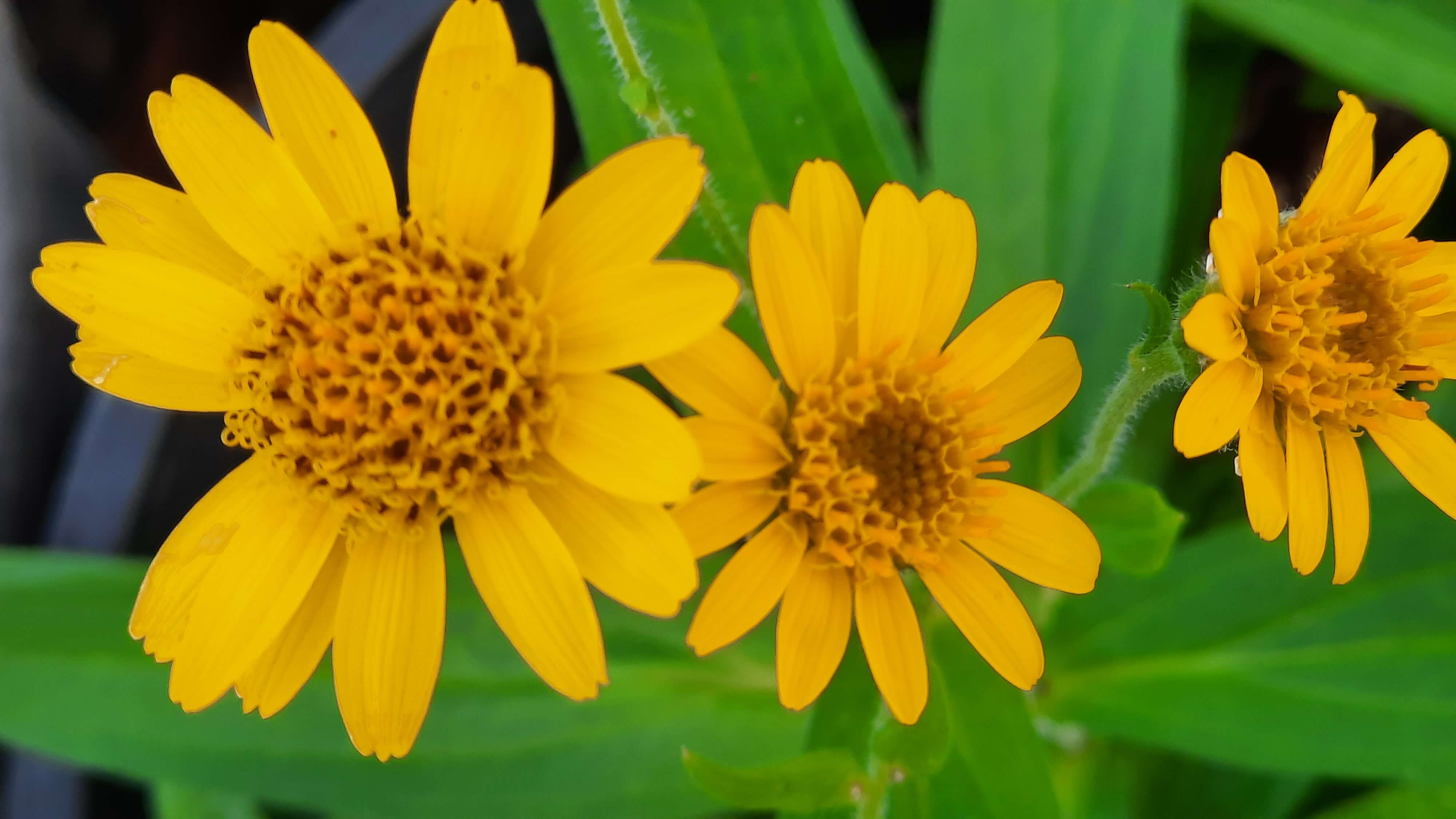
Arnica montana is a perennial herb that grows naturally in mountainous habitats across Europe and parts of North America. It belongs to the same plant family as sunflowers and daisies - the Asteraceae - and has been used medicinally for thousands of years. Both the flowers and roots have therapeutic applications, though the flower is most commonly used in preparations available today.
Watch this excerpt from my webinar on Arnica - covering where it grows, how it is used, and the very real threats to its supply:
What Is Arnica Used For?
Most people reach for Arnica after a knock or a fall - and rightly so. But the range of situations where it genuinely helps is broader than most people realise.
Bruises
This is where Arnica has built its reputation, and deservedly. Applied promptly after an injury, a good quality Arnica cream or gel can significantly reduce the severity and duration of bruising.
Strains, Sprains, and Contusions
Soft tissue injuries - the kind you get from sport, gardening, heavy physical work, or a simple misstep - respond well to Arnica. If you are on your feet a lot, or you work with your hands and body, a tube of Arnica cream in your kit is genuinely useful. Easy to apply, no fuss, and effective.
Muscle Soreness After Overexertion
Arnica is also well suited to the aches that follow a big physical effort - a long day in the garden, an unusually hard session of physical work, or any situation where you have pushed your body harder than usual.
How Does Arnica Actually Work?
There are two main mechanisms at play:
First, Arnica influences blood flow around the injury site - helping the body manage the localised congestion that causes bruising and swelling.
Second, it stimulates white blood cell activity, which accelerates the clearing of damaged tissue. Together, these actions support the body's own healing process rather than simply masking symptoms.
This is why Arnica works best when applied promptly - the sooner after an injury, the better the result.
How Do I Use Arnica Most Effectively?
As a Cream or Gel (External Use)
The easiest and safest way to start with Arnica is as a cream or gel applied directly to the skin over the affected area. Apply a thin layer and massage it in gently. Repeat several times a day until the bruise, strain, or soreness has resolved. Follow the instructions on the product you are using.
One important point: never apply Arnica to broken skin or open wounds. For cuts or grazes, Yarrow or Calendula cream is a much better choice.
As a Homeopathic Remedy (Internal Use)
Arnica should never be taken internally as a herbal preparation - it is toxic in that form. However, homeopathic Arnica is a different matter entirely, and learning to use it is genuinely worth your time.
Homeopathic Arnica can be used for shock, trauma, bruising with broken skin, overexertion, and more - situations where the external cream cannot reach. This is covered in detail in my downloadable course, Three Essential Remedies for Your First Aid Kit, which also covers two other must-have natural remedies for your kit.
Is Arnica Safe to Use?
Yes - with two straightforward cautions that are easy to remember:
- Never apply to open wounds or broken skin. Arnica on broken skin can cause irritation. Use Yarrow or Calendula instead.
- Never take Arnica internally as a herbal preparation. It is only safe internally in homeopathic form.
If you have underlying health conditions, are taking other medications, or the affected area is not responding as expected, consult a qualified natural healthcare professional before continuing use.
Can Arnica Help With Pain Relief?
Pain reduction is often a welcome side effect of Arnica's healing action - but it is worth being clear about what is happening. Arnica is not primarily a painkiller. It works by supporting the body's repair process, and as that process progresses, pain typically reduces. Think of it as treating the cause rather than covering the symptom.
What About Growing Arnica in Australia?
Arnica montana is not easy to source in Australia - and the supply situation for quality Arnica has become increasingly difficult in recent years. This is something I have written and spoken about at length, because it matters for anyone who relies on this herb.
I grow Arnica here at Tinderry Mountain Herbs, and the experience of getting it established in Australian conditions has been a genuine education. If you want to understand more about the growing side of things, read my post on what I discovered when I was about to order Arnica montana seed - it covers some of the practical realities that most growers do not talk about.
The broader conservation picture is also important. Wild Arnica populations in Europe are under significant pressure from over-harvesting. Growing it in cultivation - here in Australia and elsewhere - is part of the answer. You can read more about what you can do to protect endangered medicinal herbs and why it matters.
Frequently Asked Questions About Arnica
How long does Arnica take to work on a bruise?
Applied promptly after an injury, many people notice a difference within 24 to 48 hours - bruises that might otherwise take a week or more to fade can resolve significantly faster. Results depend on the quality of the preparation, how soon it is applied, and the severity of the injury. Consistency matters - apply it several times a day rather than once.
Can I use Arnica on my face?
Yes, Arnica cream can be used on the face for bruising or swelling, provided the skin is unbroken. It is commonly used after dental procedures or facial injuries for this reason. Avoid contact with eyes and mucous membranes, and do a patch test first if you have sensitive skin.
Is Arnica safe during pregnancy?
External use of Arnica cream is generally considered low risk during pregnancy, but as with any therapeutic preparation, it is best to check with your midwife or healthcare provider first. Internal use - even homeopathic - should be discussed with a qualified practitioner during pregnancy.
What is the difference between Arnica gel and Arnica cream?
Arnica gel tends to absorb more quickly and feels lighter on the skin, making it a good choice for acute injuries where you want fast absorption. Arnica cream is richer and may be better suited to ongoing use or drier skin. Both are effective - the choice comes down to personal preference and the situation.
Can Arnica be used on animals?
Arnica is used in veterinary herbal and homeopathic practice, particularly for injuries, trauma, and post-surgical recovery in animals. Homeopathic Arnica is the most commonly used form for animals. Always consult a veterinarian or qualified animal naturopath before using any herbal preparation on your animals.
Why This Matters
Arnica is one of those herbs that earns its place in every serious herbalist's kit - not because it is fashionable, but because it works, it is safe when used correctly, and it covers a range of common situations that most households encounter regularly.
Understanding how to use it well - when to reach for the cream, when homeopathic Arnica is the better choice, and when to seek professional advice - is the kind of practical knowledge that makes a real difference. It is also the kind of knowledge that is best learned from someone who has used these plants over many years, not just read about them.
This is exactly the approach we take inside Herbology Hub: grounded, practical, and rooted in real experience with real plants.
Want to Go Deeper? Join Herbology Hub
If you want to build genuine knowledge of medicinal herbs - including how to grow, use, and conserve plants like Arnica - Herbology Hub is where that work happens. It is a community and learning space for serious herb growers and those who want to understand herbal medicine from the ground up.
Join Herbology Hub here and start learning from someone who grows what he teaches.
First published: November 2023 | Last updated: June 2026